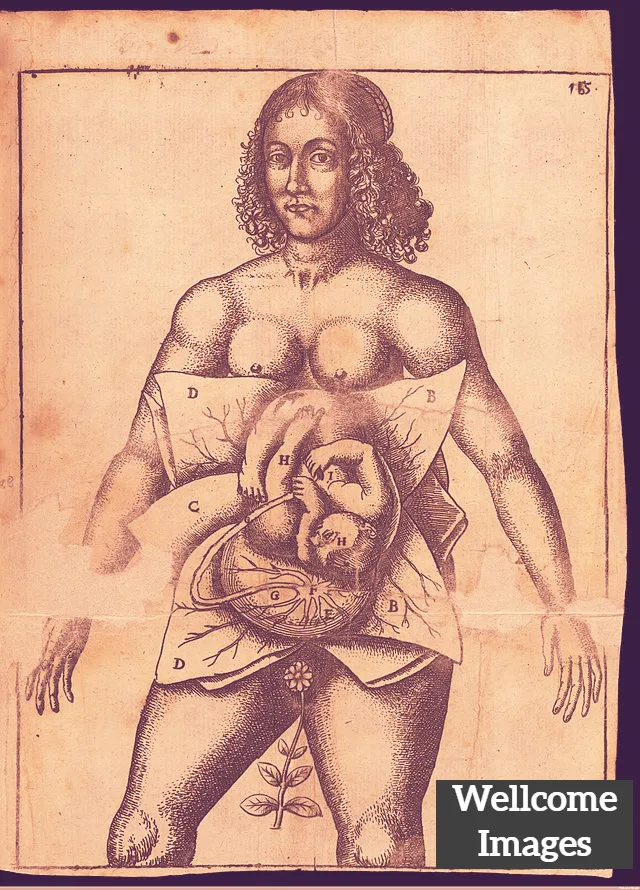
 Dr Julia Martins
 Armed with broom handles, bars of the press, and other tools of their trade, they went after every cat they could find. They dumped sackloads of half-dead cats in the courtyard. Then the entire workshop gathered round and staged a mock trial, complete with guards, a confessor, and a public executioner. After pronouncing the animals guilty and administering last rites, they strung them up on an improvised gallows.
This passage comes from a memoir by a printing apprentice named Nicolas Contat, describing the “funniest” thing that ever happened in his workshop. It was around 1730. The place was the rue Saint-Séverin in Paris. And for the next two and a half centuries, nobody could explain why it was funny.
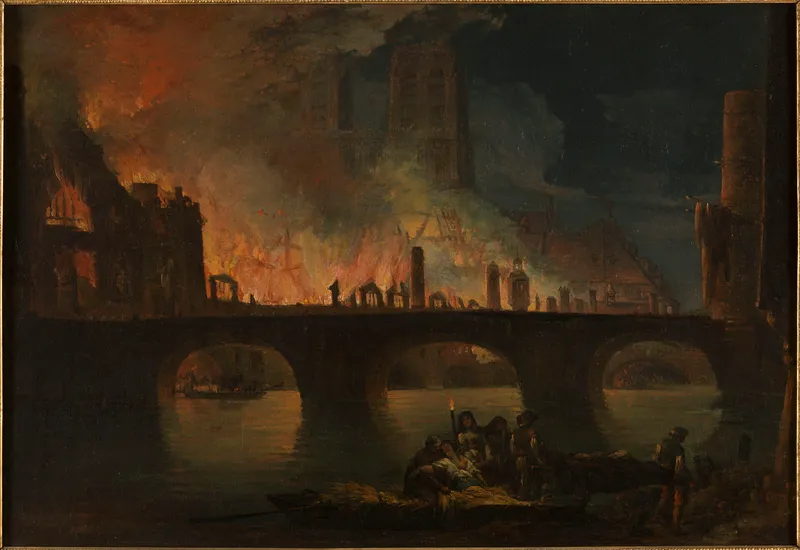
That story, the “Great Cat Massacre”, is the opening puzzle of one of the most influential history books of the twentieth century. And the way Robert Darnton tried to solve it tells us almost everything about what cultural history is, why it matters, and what it can and cannot do. It is also one of my favourite history books ever.
I want to use that one strange event to walk through the whole field of cultural history. Ambitious, I know, but stay with me. We’re going to ask three questions. First: what does it mean? Second: who is missing? And third: how do we know? By the end, you’ll hopefully have a working map of cultural history, from its origins in the nineteenth century to the debates happening today.
Part 1: What does it mean?
The Problem of Opacity
Darnton opens The Great Cat Massacre and Other Episodes in French Cultural History (1984) with a provocation. When we find something in the past genuinely baffling, as in the cats episode, that opacity is not a problem to be explained away. It is the entry point. “If we can get the joke”, he writes, “we should be able to shed some of our modern worldviews and enter into the alien mental world of ordinary persons who lived two centuries before us”. The cat massacre was, by the apprentice’s account, the funniest thing that ever happened to the workers in the rue Saint-Séverin. Darnton’s task, and cultural history’s task, is to figure out why. What does this mean?
His answer involves layers. Cats in eighteenth-century France carried a lot of symbolic weight: they were associated with witchcraft, with female sexuality, and with the carnivalesque inversion of social order.
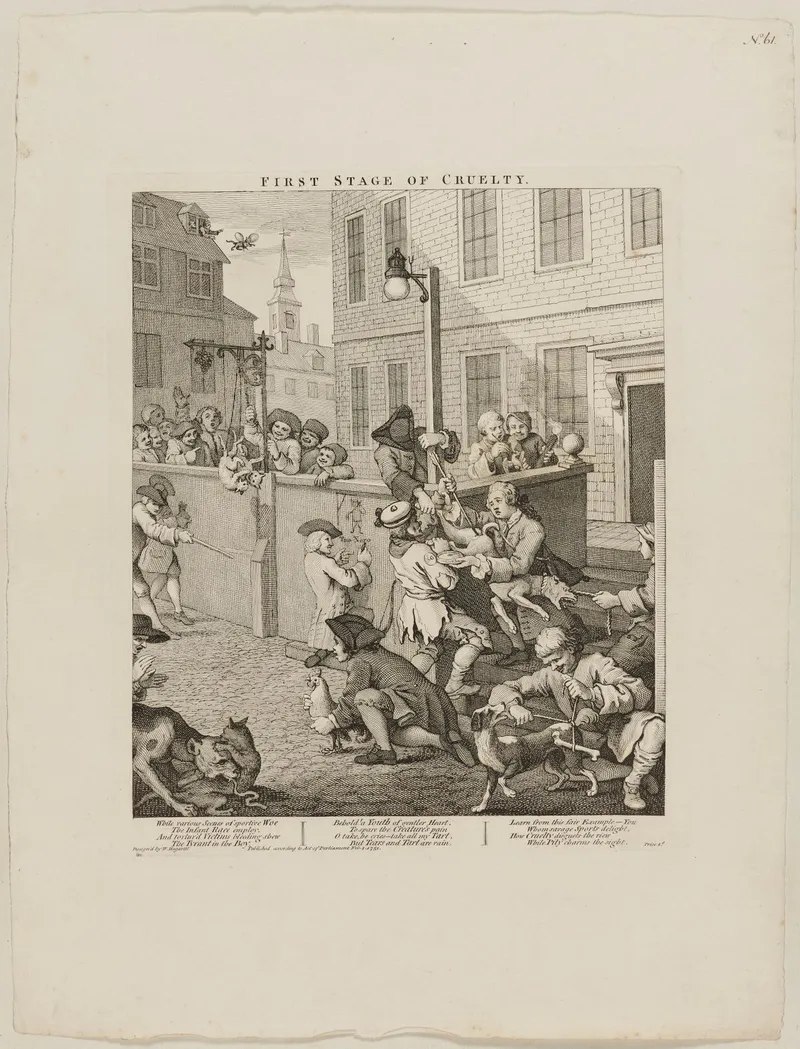
The mistress of the printing shop doted on her cat, while the workshop’s apprentices were treated worse than the cats. They were fed scraps, denied sleep, and worked to exhaustion. When the apprentices staged the massacre, they were doing several things at once: attacking the mistress symbolically (“they ravished the mistress symbolically”, Darnton writes), mocking the master’s authority, and enacting a kind of workers’ tribunal against the whole bourgeois household. “The masters love cats; consequently the workers hate them.”
The symbolism worked precisely because it was ambiguous enough to give the workers deniability. Michel de Certeau called this kind of improvisation a “tactic”, the art of the “weak” or oppressed who cannot change the rules but find ways to operate within them, turning the master’s own symbols against him. “The symbolism disguised the insult well enough for them to get away with it.” And here is the methodological point Darnton is making: you cannot reduce this event to a single meaning. “To reduce them to one conclusion, as in the ending of a whodunit mystery story, is to misunderstand the way humans make meaning in general.” Culture is not a code to be cracked. It is a web of overlapping and sometimes contradictory meanings, and the historian’s job is to trace those webs, not to flatten them.
Where This Comes From: The Anthropological Turn
Darnton was drawing on a specific intellectual tradition for this analysis. The key figure is Clifford Geertz, the American anthropologist whose 1973 collection The Interpretation of Cultures became a foundational text across the humanities. Geertz’s definition of culture is worth quoting in full, because it underpins almost everything that follows:
Believing, with Max Weber, that man is an animal suspended in webs of significance he himself has spun, I take culture to be those webs, and the analysis of it to be therefore not an experimental science in search of law but an interpretive one in search of meaning.
That phrase, webs of significance, is doing a lot of work. It means that human beings do not experience the world directly. They experience it through systems of meaning: symbols, rituals, stories, categories, and relationships. Culture is not a backdrop to history. It is the medium through which history happens.
Geertz’s method was what he called “thick description”, a term borrowed from the philosopher Gilbert Ryle. “Thin description” just records what happened. In his example, a boy rapidly contracts the eyelid of his right eye. “Thick description” asks what it meant. Was it an involuntary twitch? A deliberate wink to a friend? A parody of someone else’s wink? Or a rehearsal of that parody, practised alone in front of a mirror? It’s the same physical movement, but these are four entirely different acts, and only context tells you which is which.
For historians, this reframed everything. It meant that the task was not just to establish what factually happened, but to reconstruct the symbolic world in which it happened, to read events as texts, and texts as events.
The Longer Backstory: Four Phases
To understand why this felt so new in the 1970s and 80s, you need the longer history of the discipline of cultural history. Peter Burke, in What is Cultural History? (2008), divides this into four phases.
The first is what he calls the “classic” phase, roughly from 1800 to 1950. This is the era of Jacob Burckhardt’s Civilisation of the Renaissance in Italy (first published in 1860) and Johan Huizinga’s Autumn of the Middle Ages (1919). Both were painting what Burke calls “portraits of an age”, writing grand synthetic accounts of the spirit of a period (Zeitgeist), and, crucially, focused on high culture: art, literature, music, and philosophy. No apprentices revolting here.
The second phase, starting in the 1930s, was the social history of art, a Marxist-inspired reaction that asked about the economic and class conditions behind cultural production, with scholars like Frederick Antal on Florentine painting and Arnold Hauser on the social history of art. Culture was now connected to material conditions, but the focus was still largely on elite production and not everyday life.
The third phase, from the 1960s, was the discovery of popular culture. E. P. Thompson’s The Making of the English Working Class (1963) was a big landmark here, a history that took seriously the culture, values, and agency of working people, not just their economic conditions. Thompson famously insisted on rescuing ordinary people “from the enormous condescension of posterity”. I love that phrase.
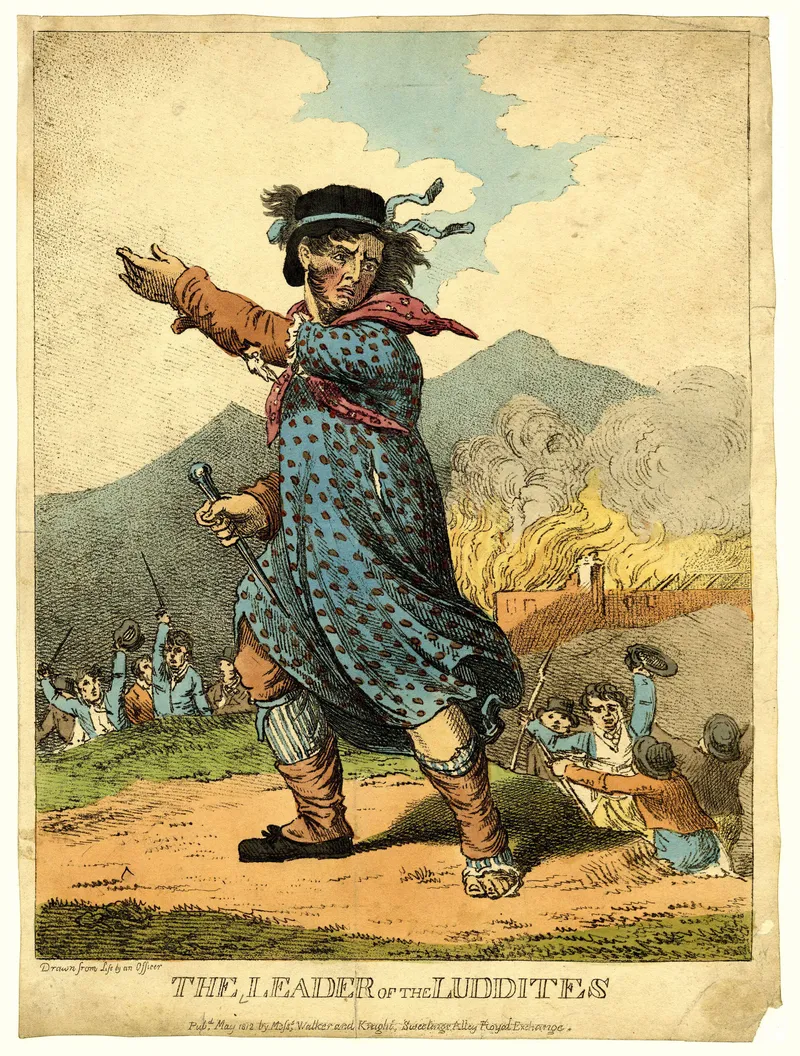
The fourth phase, the “new cultural history”, is where Robert Darnton and Clifford Geertz come in. From the late 1970s, historians began borrowing systematically from anthropology, linguistics, and literary theory. The question shifted from “what were the material conditions?” to “what did it mean?”, and the methods shifted accordingly. People were interested in meanings and representations.
The movement got its name, and its manifesto, from a 1989 collection edited by Lynn Hunt, The New Cultural History. Hunt positioned the movement explicitly against both traditional political history and the quantitative social history of the Annales school. The Annales school, founded in 1929 by Marc Bloch and Lucien Febvre, had long pushed historians toward mentalities, structures, and the longue durée, the long-term rhythms of history that underlie events. Fernand Braudel’s work on the Mediterranean world exemplified this, with history operating at the level of geography, climate, and slow-moving social structures rather than kings and battles.
But where the Annales historians had counted books, mapped trade routes, measured long-term trends, and focused on social history and mentalities, the new cultural historians wanted to interpret individual texts, rituals, and events as densely meaningful. The tension between mapping and reading, between the longue durée and the single strange event, has never fully been resolved. It runs through everything that follows.
And this is exactly what Darnton was doing with those dead cats in the courtyard, reading one strange joke as a window onto an entire world.
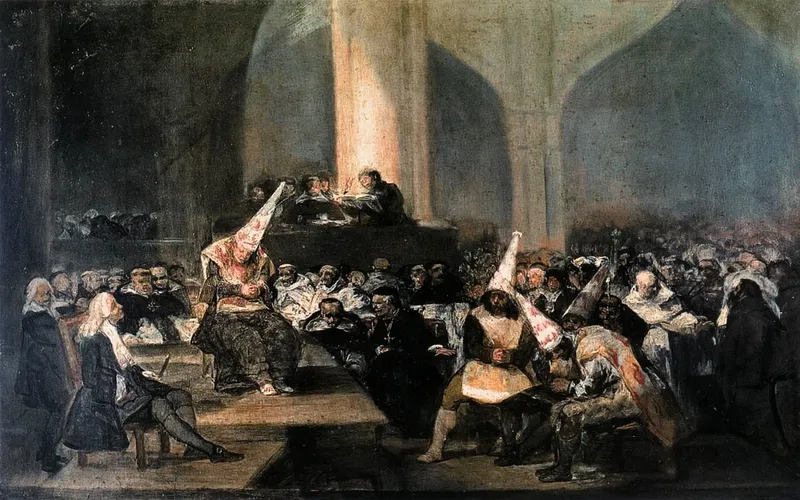
That’s why one of the most striking things the new cultural history produced was microhistory: the close study of a single person or event as a key to understanding an entire world. Carlo Ginzburg’s The Cheese and the Worms (1976) reconstructed the cosmology of a sixteenth-century Italian miller named Menocchio, tried twice by the Inquisition for heresy. Through one man’s interrogation records, Ginzburg recovered a whole way of thinking, in which the world was born from putrefaction, like cheese from milk, and angels emerged from it like worms. But my favourite example of focusing on one story is Natalie Zemon Davis’s The Return of Martin Guerre (1983), which did something similar in sixteenth-century France, using a single fraud to open up questions about identity, community, and what it meant to know who someone was in a world without photographs. Both cases showed that the smallest case, if read with enough care, could help understand the largest questions. Darnton’s cat massacre belongs in this tradition.
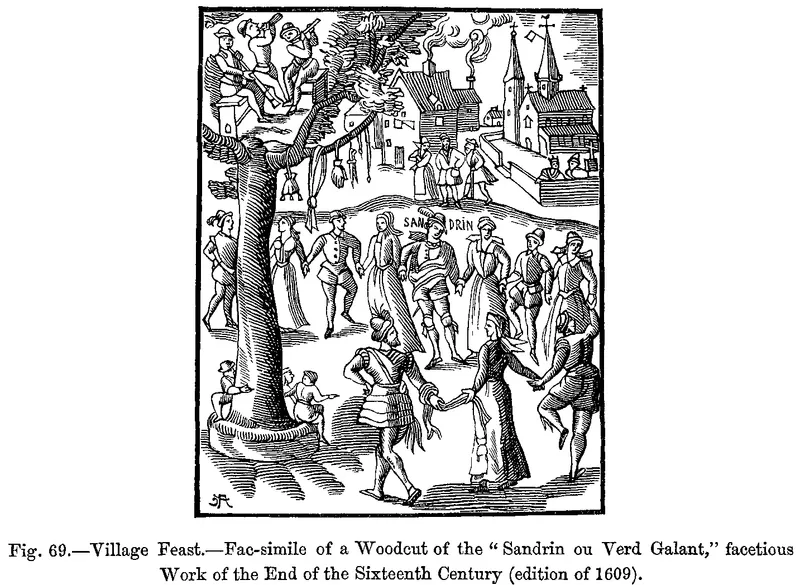
Roger Chartier, one of the leading figures of the new cultural history, pushed back against Darnton directly, and on the cat massacre itself. Darnton had read the event through the lens of carnival and popular festive culture.
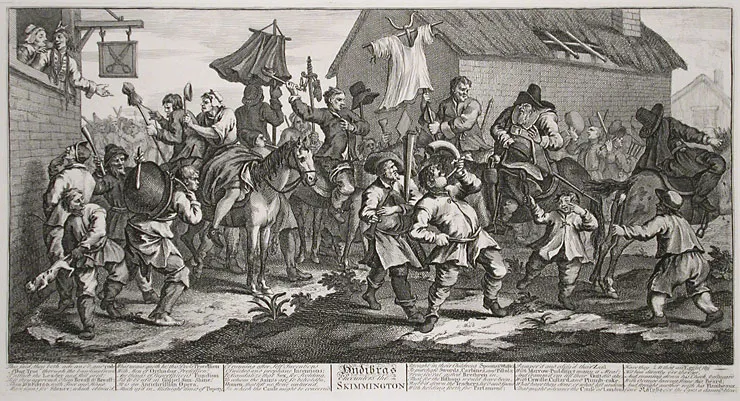
Chartier questioned whether any of those categories actually fit. The massacre, he argued, “is not easy to place among folklorists’ classical categories, and it is perhaps wiser to avoid trying to make it conform with the canonical forms of carnival festive culture”. That’s because the workers were improvising something new from available cultural materials, not following the rituals of something like carnival.
This mattered methodologically. Chartier’s broader concept of “appropriation” insisted that people do not passively receive cultural forms; they remake them instead. The same book, or ritual, the same symbol, image, gesture or food, all mean different things to different people in different contexts.
This was partly a critique of Darnton. Where Darnton tended to read texts as somewhat transparent windows onto mentalities, Chartier insisted on the materiality of communication: the way the physical form of a book, a pamphlet, or a broadsheet shapes how it is read and what it means.
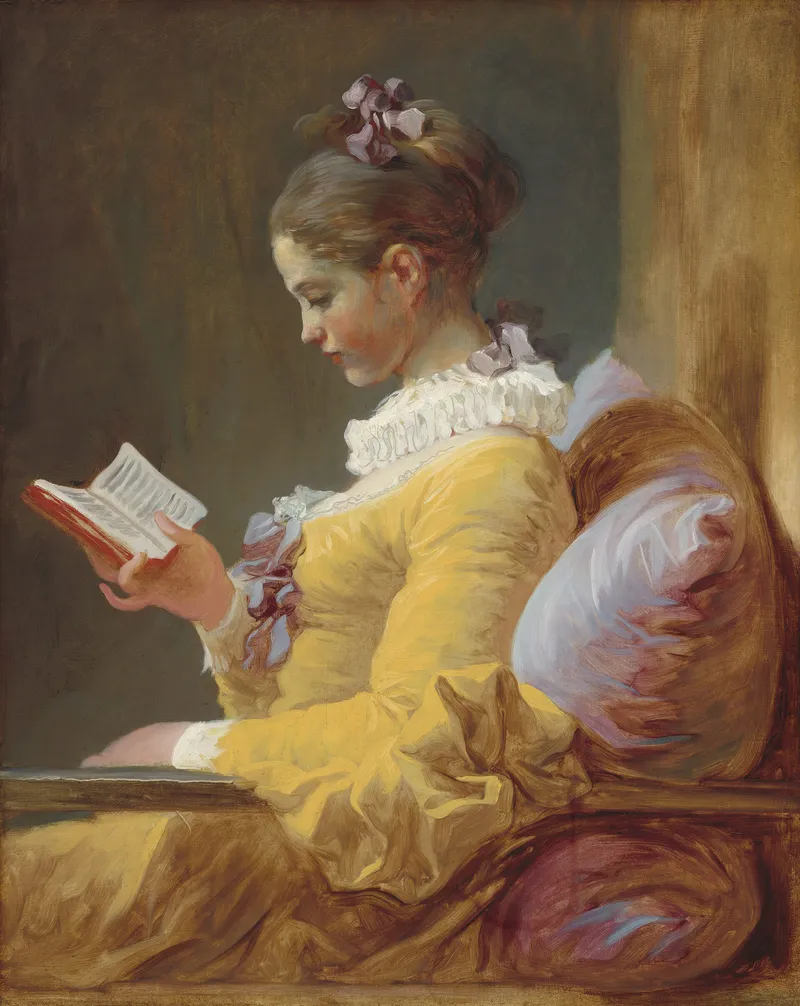
Meaning is not just in the text; it is in the encounter between text and reader, object and user. So cultural history learned to read meaning, but then immediately had to ask whose meaning, and how reliably any text can give us access to it.
Part 2: Who is missing?
The Body, Gender, and Power
The new cultural history of the 1980s was exciting. But it had a problem. Whose culture was being interpreted? Darnton’s workers are men. His sources are men’s accounts. The women in the cat massacre story, like the mistress, the symbolic target, appear only as objects of the joke, not as historical subjects with their own perspectives.
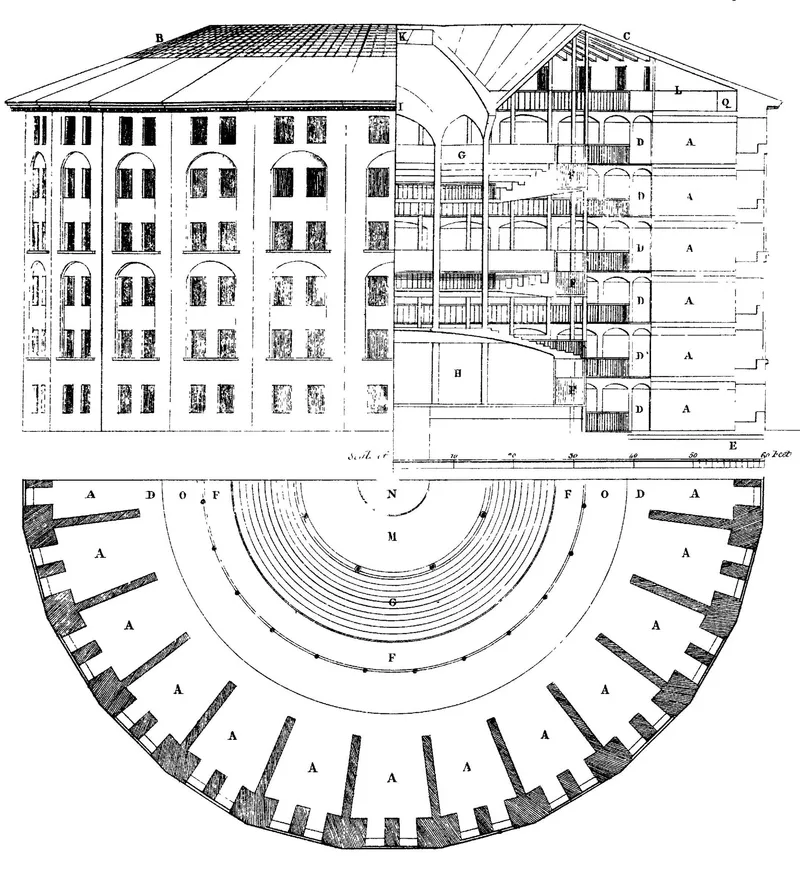
This is where a second wave of critique came in, drawing on feminist theory and, above all, on Michel Foucault. Foucault’s Discipline and Punish (French 1975, English 1977) is not, strictly speaking, a work of cultural history. But it transformed the field. Foucault’s argument is that power does not just operate through laws and institutions. It operates through the body, through space, through the organisation of time and visibility. His examples were the prison, the school, the hospital, and the army barracks: all of these are machines for producing “docile bodies”, subjects who have internalised the norms of surveillance and discipline and changed their behaviours to their environment. And here I need to include another of my favourites, Pierre Bourdieu, who argued that culture is something that you carry in your body (think things like posture, accent, and gestures), and all this, which he called habitus, shapes social and cultural hierarchies.
For cultural historians, this opened up entirely new questions. If power works through culture, through the categories we use to think, the bodies we inhabit, the spaces we move through, then cultural history is not just about meaning. It is about domination, resistance, and the production of subjects.
Joan Scott’s 1986 article “Gender: A Useful Category of Historical Analysis” applied this insight directly to women’s history, which was still a new field at the time.
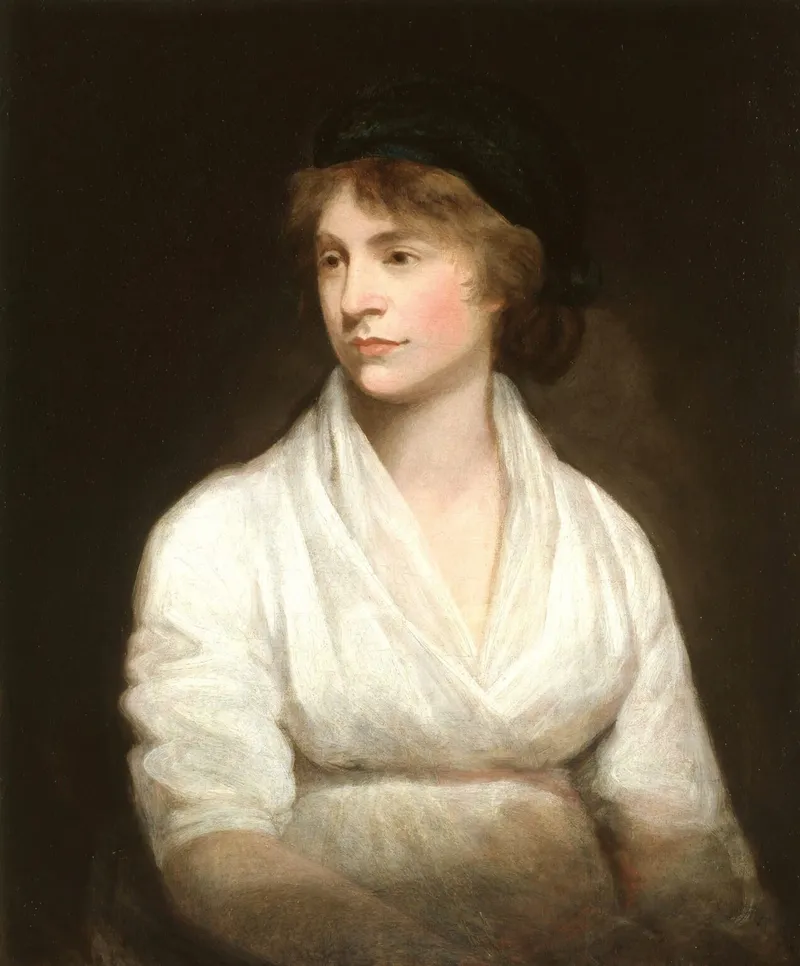
Gender, Scott argued, is not just a social construction; it is “a primary way of signifying relationships of power”. It works through symbols (Mary and Eve, purity and pollution), through normative concepts that fix those symbols into rigid binaries, through institutions (like the family, the labour market, and the state), and through subjective identity itself. To write women into history is not just to add them to an existing story; it is to ask how the category of sexual difference was used to organise, and to naturalise, hierarchies of power.
This had implications far beyond gender. If gender is a construction, as feminist scholars argued, then so is race, so is class, so is the body itself. This is where things get really interesting. Scott’s insight, that gender is not just a description of bodies but a system for organising power, opened up a further question: what about the body itself? If gender is constructed, is the body it is supposedly built on also culturally shaped?
The answer, from historians of medicine and science, was a resounding yes. Katharine Park’s work on Renaissance anatomy showed that even something as apparently straightforward as the “discovery” of the clitoris was not a simple case of a man looking and finding.
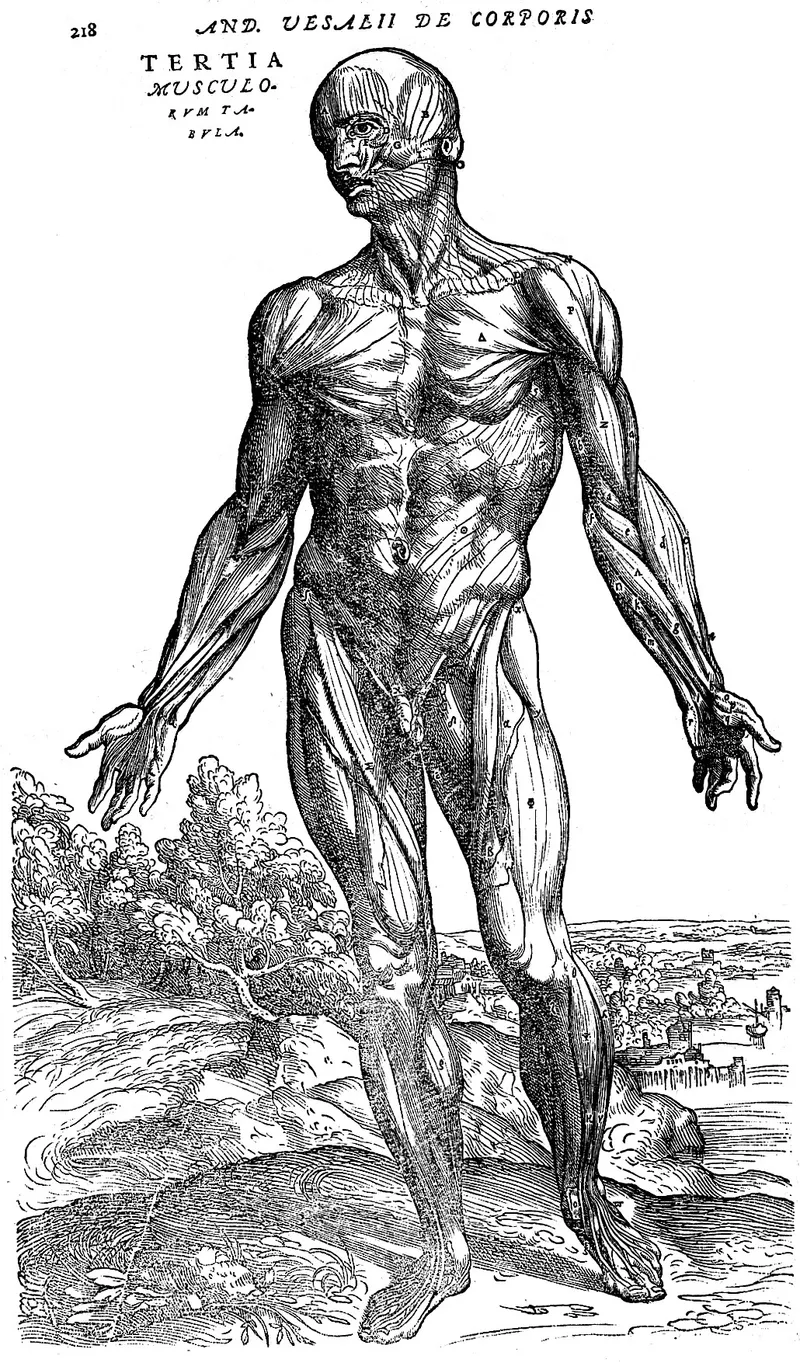
Anatomists saw, or failed to see, what their culture prepared them to see. The body on the dissection table was already full of meaning, and it brought expectations with it. Gail Kern Paster pushed this further: in the early modern period, the body was a “humoral body”, leaky, unstable, and embarrassing, and so the way people experienced that body was shaped by cultural norms of shame and self-control. The body has a history. But that history, the history of the body, deserves its own article. For now, the methodological point is this: cultural history kept finding that things which seemed natural, like emotions, gender, and even the body, turned out to be historical all the way down.
The history of witchcraft made the tension between culture and experience especially visible. Witch trials created vast archives, thousands of interrogation records, all full of cultural meaning: anxieties about female bodies and sexuality, fertility, maternal power, neighbourly conflict, and, of course, gender roles. But Lyndal Roper, in works like Oedipus and the Devil (1994) and Witch Craze (2004), argued that cultural analysis alone was not enough here.
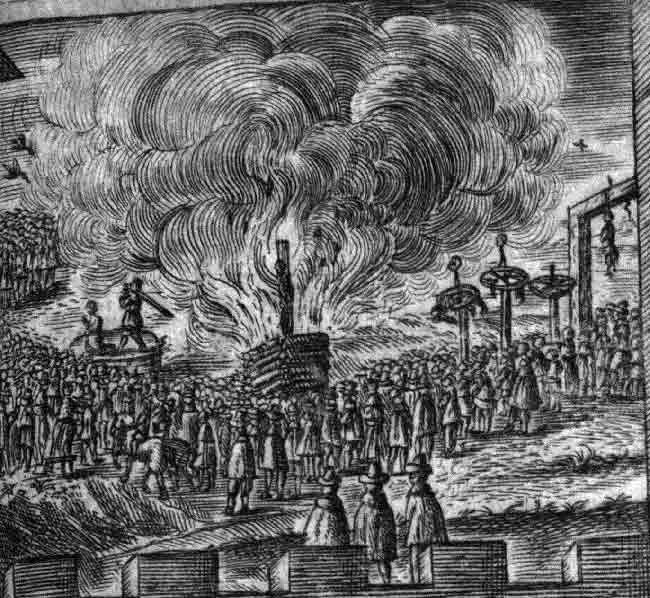
Let me give one example. In 1669 in Augsburg, a sixty-seven-year-old woman named Anna Ebeler was hired as a lying-in maid: her job was to look after a new mother and baby in the weeks after birth. The mother died delirious after eating soup Ebeler had prepared. Then other women came forward. One said her baby had become terribly thin under Ebeler’s care. Another said her infant couldn’t nurse from its own mother, only from strangers, before it died in great pain. A third described a baby whose skin dried out so badly it peeled off like a tiny shirt. Ebeler was convicted and executed as a witch within two months.
Roper’s argument is that purely cultural explanations cannot fully account for why these specific fantasies keep recurring. Why the poisoned milk? Why the skin peeling off? Why the inability to feed?
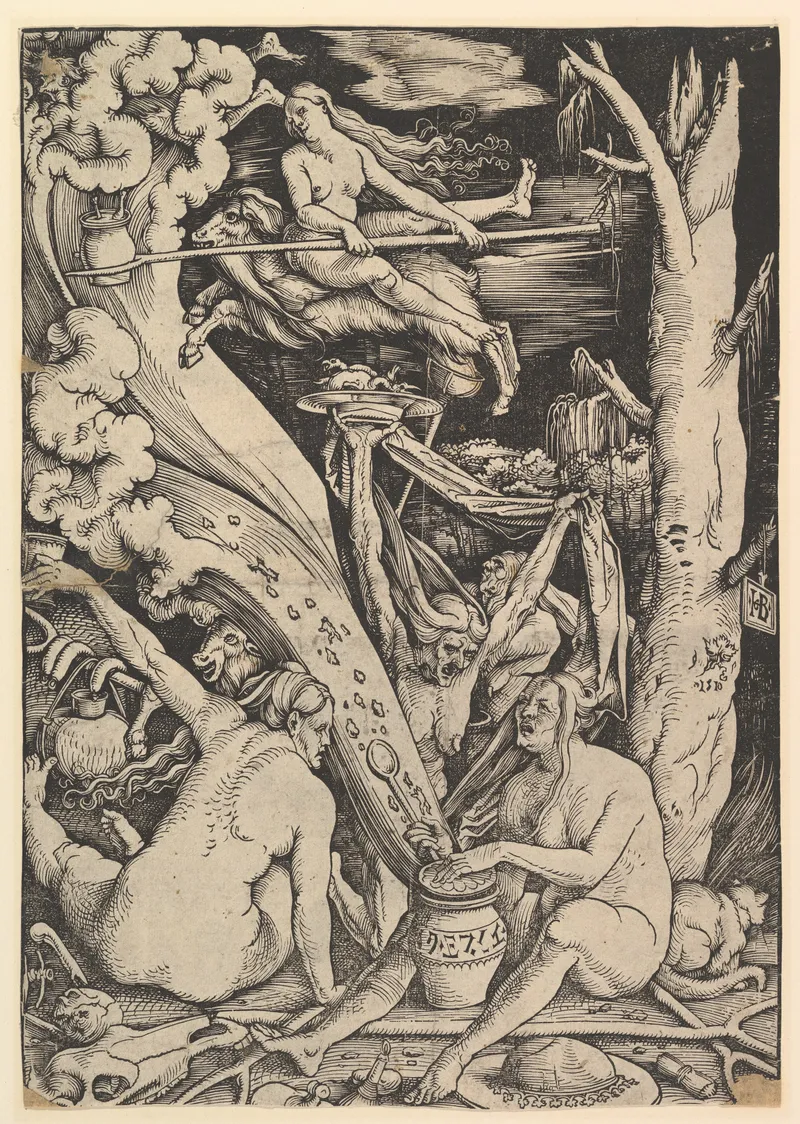
There’s something deeper going on here, something about the terrors of maternity and dependence that psychoanalysis might help us reach, even if we can only ever access it through culture. Roper’s intervention was controversial precisely because it reintroduced something the “linguistic turn” had tried to abolish: the idea that there is a pre-cultural dimension to human experience, even if we can only ever access it through culture. It is a tension cultural history has not resolved and, I think, probably should not.
Naturally, all these new studies created real tensions among historians. If everything is a construction, if there is no access to reality outside of discourse, then what is the historian actually doing? Are we just reading texts about texts? The linguistic turn, the influence of structuralism and post-structuralism on historical writing, pushed historians to ask not just what people thought and felt, but how the very categories of thought were produced and what work they did. Hayden White’s Metahistory (1973) argued that historical narratives are structured by the same literary forms as fiction, a position that seemed to dissolve the distinction between history and invention entirely. The most extreme versions of the linguistic turn came up with ideas that many historians, including Darnton himself, resisted.
Material Culture and the Turn to Things
One response to the linguistic turn was a renewed attention to material culture, objects, and physical environments rather than texts and representations. If the linguistic turn risked making everything into language, the material turn insisted that things have their own histories and their own resistance to meaning.
Think about it this way: Darnton read the cat massacre as a text, full of symbolic meaning. But the material turn asks a different question: what about the actual broom handles? The actual courtyard? The physical reality of the workshop where these apprentices slept under the printing press?
This kind of history, following objects through their social lives, became one of the most productive strands of cultural history in the 1990s and 2000s. Think of sugar, for instance. Sidney Mintz’s Sweetness and Power (1985) was a landmark study. Mintz traced sugar from Caribbean slave plantations to English working-class kitchens, showing how it was transformed “from curiosity and luxury into commonplace and necessity”. His argument was not just about trade routes, it wasn’t economic history. It was cultural, focusing on the relationship between meaning and power. “I don’t think meanings inhere in substances naturally or inevitably”, he wrote. “Rather, meaning arises out of use, as people use substances in social relationships.” But, he asks, “at what point does the prerogative to bestow meaning move from the consumers to the sellers?”
Sugar in a working-class teacup was the endpoint of a system that connected enslaved Africans who produced it with proletarianised English people who consumed it, and neither group “had more than minimal influence over it”.
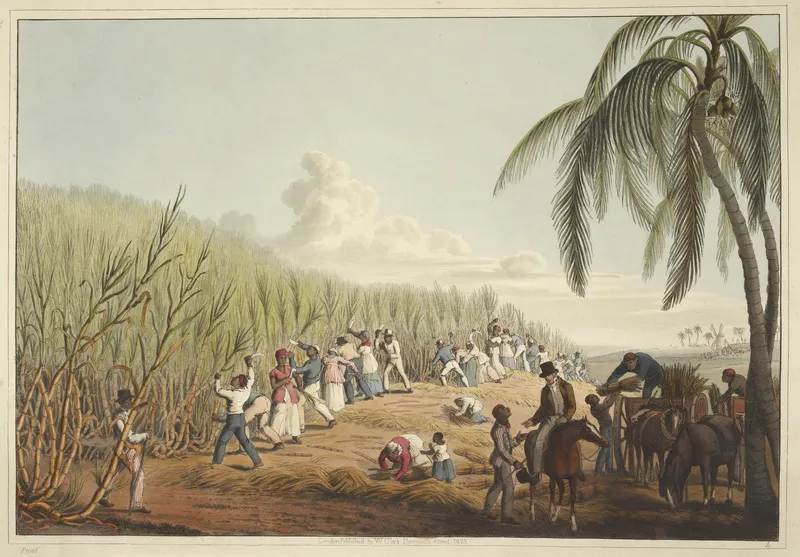
That is a kind of cultural history that no purely textual analysis could capture, you had to follow the object through the world. It connected cultural history to the history of science, to the history of the body, and to global history.
”Critical Fabulation”: When the Archive Fails
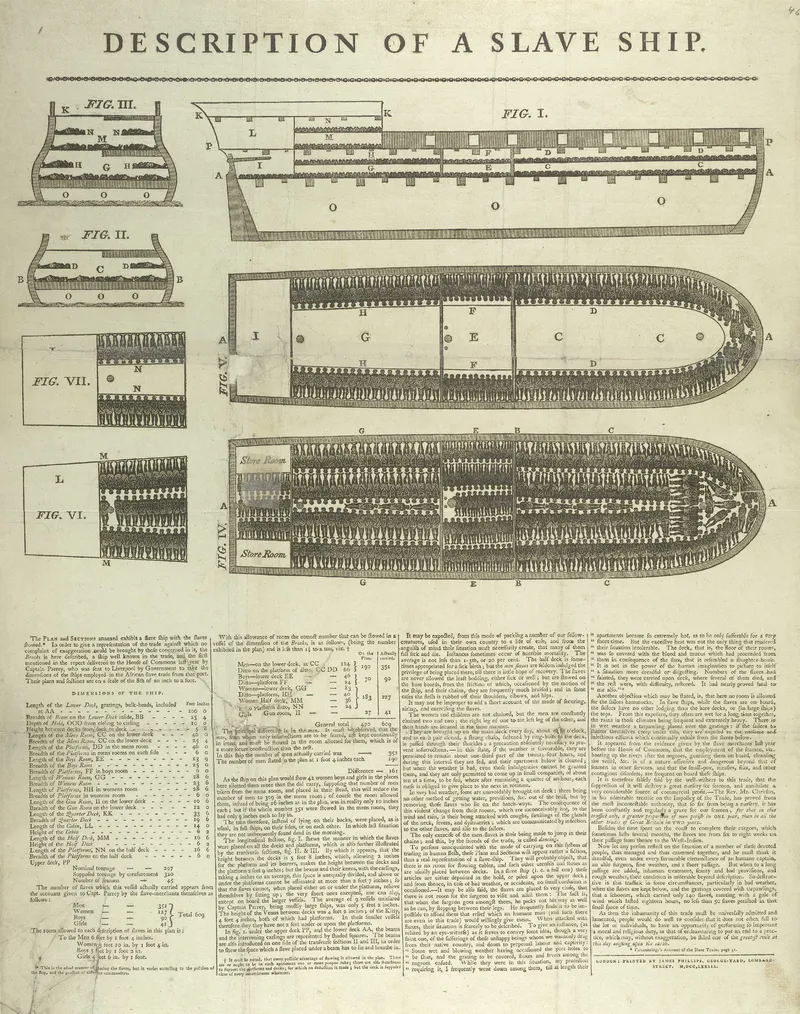
But there is a deeper problem with the question of who is missing, one that goes beyond method to ethics. Saidiya Hartman’s 2008 essay “Venus in Two Acts” confronts this directly. Hartman was working with the archive of transatlantic slavery, a corpus of records produced almost entirely by slaveholders, ship captains, and colonial administrators, which means that the enslaved people who appear in these records appear as commodities. Their inner lives and their experiences are almost entirely absent, and reconstructing their voices is no small challenge. Hartman names this the “founding violence” of the archive:
The archive of slavery rests upon a founding violence. This violence determines, regulates and organizes the kinds of statements that can be made about slavery.
Her response is what she calls “critical fabulation”, a method that works at the limit of the archive, using speculation to gesture toward what cannot be recovered, while being scrupulously honest about the difference between evidence and invention:
By playing with and rearranging the basic elements of the story, by re-presenting the sequence of events in divergent stories and from contested points of view, I have attempted to jeopardize the status of the event, to displace the received or authorized account, and to imagine what might have happened or might have been said or might have been done.
It’s important to note that this is not fiction. It is a form of historical writing that takes seriously both the obligation to the archive and the obligation to the people the archive has silenced, and their descendants. It asks: what does it mean to write history about people whose history was systematically destroyed?
The implications reach well beyond slavery. Any history of the marginalised, women, disabled people, the poor, colonised peoples, the illiterate, queer people, faces some version of this problem. The archive is never neutral. It was produced by people with power, for purposes of power. Cultural history, at its best, is always asking: whose culture? Whose meanings? And what has been lost?
There is a further dimension to this question of absence. The methods I’ve been discussing, thick description, appropriation, the history of mentalities, were developed by European scholars working on European material.

Dipesh Chakrabarty’s Provincializing Europe (2000) discussed this problem directly: the categories that cultural history takes for granted, like the individual subject or secular time, are not universal. They are themselves products of a specific European modernity, exported and imposed through empire and mistaken for the “natural” order of things. To write cultural history outside Europe is not simply to apply the same methods to different material; that just wouldn’t work. You have to ask if the methods themselves carry assumptions that distort what they claim to recover. And this is by no means a solved problem.
So this problem extends beyond silence. Valerie Traub, working on the history of sex in the early modern period, confronts a different version of it: not absence from the archive, but the opacity of what the archive contains. How do you historicise something that is simultaneously discourse and embodiment, representation and material reality? Traub asks us to confront “what we don’t know as well as what we can’t know about sex in the past”, and to recognise that the difficulty is not simply a gap in the evidence but a structural feature of the relationship between knowledge and its object. But let’s leave the body for now and think about something else. How do you actually study something as slippery as a feeling or an emotion, a belief, or a way of reading and interpreting the world around you?
Part 3: How do we know?
The History of Emotions
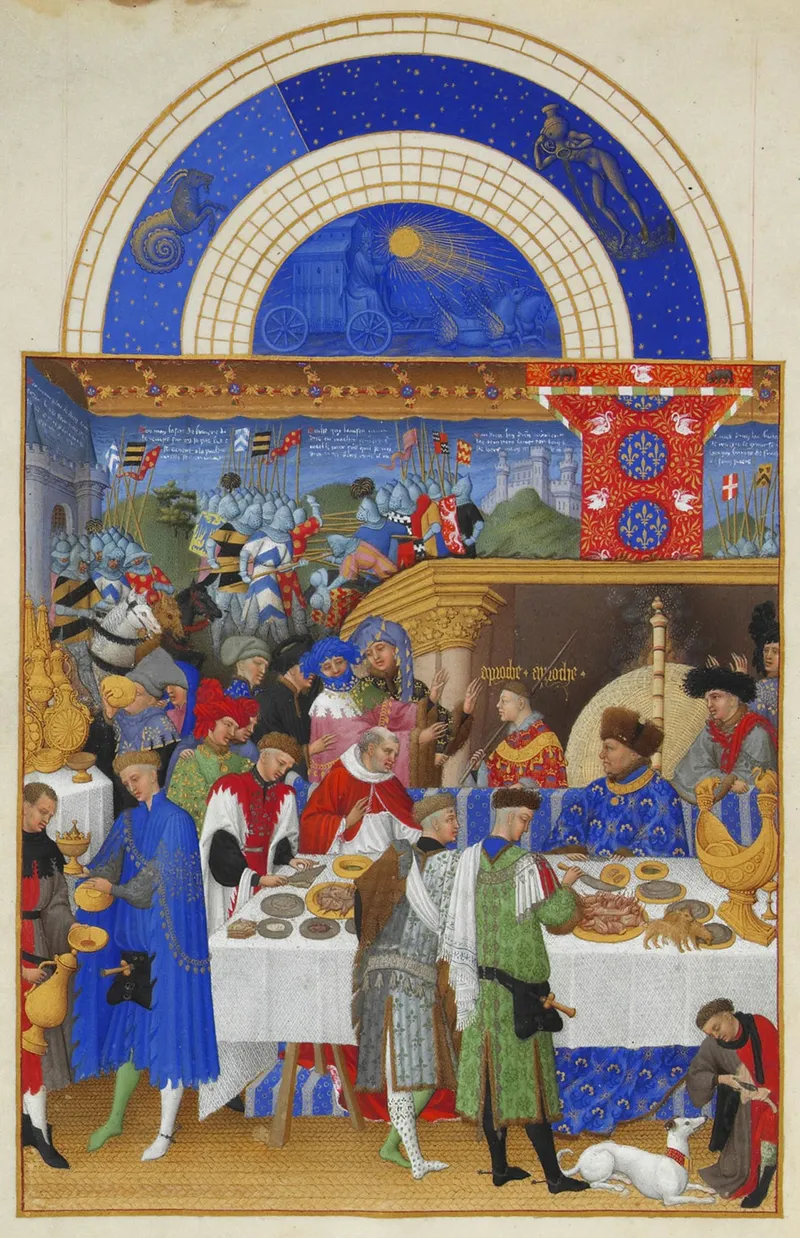
The third question, how do we know?, takes us into some of the most contested and interesting methodological territory in the field. Take emotions. For most of the twentieth century, historians treated emotions as either irrelevant (too subjective, too private) or as universal constants (people have always felt love, fear, grief, so what is there to historicise?). The history of emotions changed both assumptions.
Can you historicise a feeling? For most of the twentieth century, the answer was assumed to be no. Emotions were either universal constants, or they were too private and subjective to be studied historically at all. This assumption has a long pedigree. When Johan Huizinga wrote his classic study of the late Middle Ages in 1919, he described medieval emotional life as a kind of collective childhood: “Every experience”, he wrote, “had that degree of directness and absoluteness that joy and sadness still have in the mind of a child”. The medieval city was full of “vacillating moods of unrefined exuberance, sudden cruelty, and tender emotions”. Feelings were sharper, more immediate, and less controlled. And then modernity arrived, the “busy, dull, dispassionate world of adults”.
So, were medieval people essentially children with swords, feeling simple, raw emotions? And did that change with modernity, when we became “sensible adults”? I’m oversimplifying Huizinga here, but the point still stands: things are more nuanced than that.
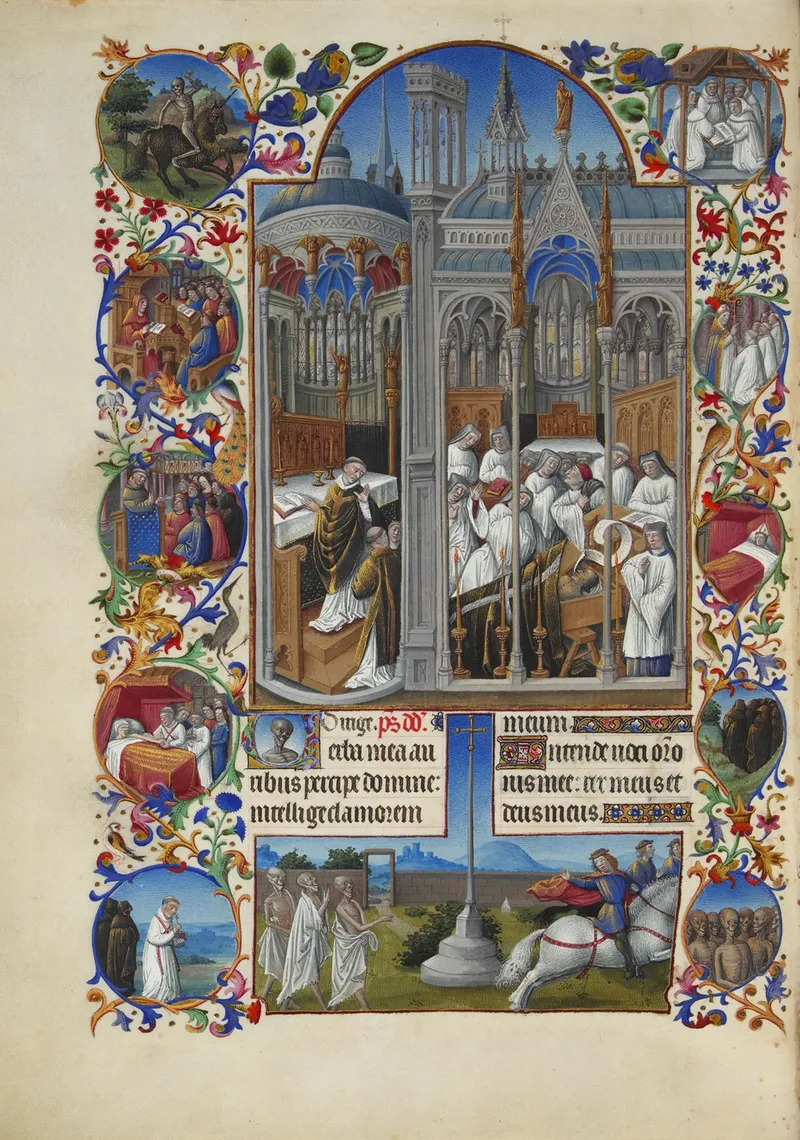
This interpretation rests on the assumption that emotions are natural things which get gradually tamed by civilisation. Norbert Elias made the same assumption explicit in The Civilizing Process (1939): emotions as raw material progressively disciplined by social norms.
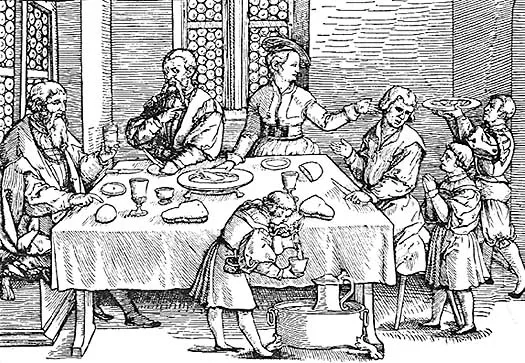
He argued that bodily behaviours that were once public, like spitting, were gradually pushed behind closed doors, as external social pressures became internalised as self-control. It was a grand narrative of the body being disciplined by culture, and it rested on the assumption that emotions and bodily impulses are natural constants, merely suppressed to different degrees at different times.
The history of emotions, as it emerged in the 1990s and 2000s, challenged that idea head-on. As Jan Plamper puts it, the field is organised around “the most fundamental questions: What is emotion? Who has emotion? Do emotions have a history?”. And beneath all of them lies a polarity between “universalism and social constructivism”. Are emotions fixed biological facts, or are they shaped, perhaps even produced, by culture?
The answer, increasingly, is both, but not in equal measure. As Plamper notes, “what is universal amounts to a molehill when compared to the mountain of data on cultural difference”. Emotions do have a history. The question is how to write it.
Barbara Rosenwein’s Emotional Communities in the Early Middle Ages (2006) offers a particularly useful framework. Her concept of “emotional communities”, groups defined by shared emotional norms, vocabularies, and values, allows historians to map the emotional landscape of a period without assuming either that emotions are universal or that they are purely individual. “An emotional community is a group in which people have a common stake, interests, values, and goals.”
Different communities, a monastic house, a royal court, a guild, a family, will have different emotional styles: different things they value feeling, different things they suppress, different things they might punish or control, and different vocabularies for naming inner states. And these communities overlap and change over time.
William Reddy’s The Navigation of Feeling: A Framework for the History of Emotions (2001) takes a different approach, drawing on cognitive science and speech act theory. His key concept is the “emotive”, a first-person emotional statement that does not simply describe a feeling but actively shapes it. When you say “I am angry”, you are not just reporting your inner state; you are performing it, and in doing so, you are changing it. “Emotives are themselves instruments for directly changing, building, hiding, intensifying emotions.”
I love this idea. It means that every time someone in the past wrote “I am heartbroken” in a letter, they weren’t just reporting a feeling, they were performing it, shaping it, maybe even creating it. Which makes reading old letters a completely different experience.
Peter Burke summarises Reddy’s framework neatly: “A declaration of love, for instance, is not, or not only, an expression of feelings. It is a strategy to encourage, amplify or even transform the feelings of the beloved.” But both Rosenwein and Reddy are asking the same fundamental question: if emotions are shaped by culture, by the vocabularies available, the norms of expression, the communities we belong to, then they have a history. And if they have a history, we can study them. But we need methods that are sensitive to the difference between what people said they felt, what they were supposed to feel, and what they actually felt, a difference that is often impossible to recover, and always important to acknowledge.
The Digital Turn
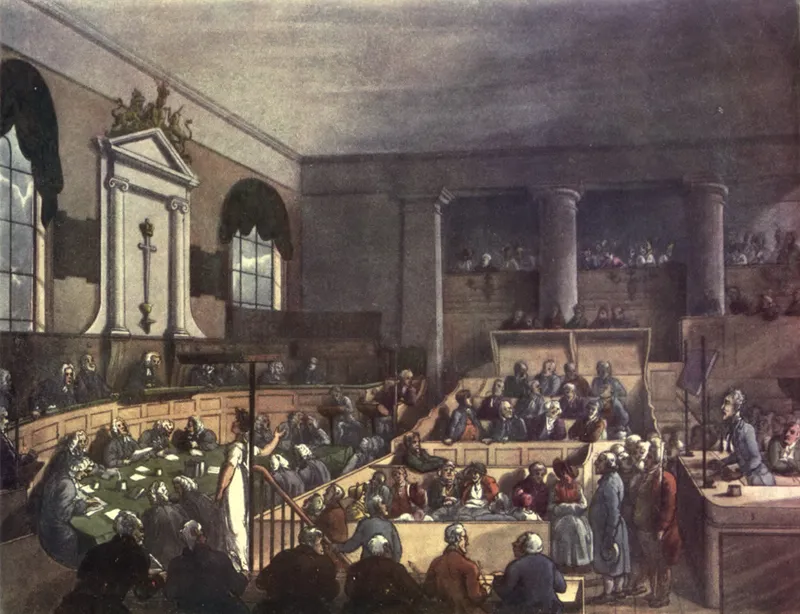
The most recent methodological shift in cultural history is the digital turn: the use of large-scale computational methods to analyse historical sources at a scale impossible for any individual reader. The Old Bailey Online, a digitised database of nearly 200,000 criminal trial records from London between 1674 and 1913, is one of the landmark projects here. It makes it possible to search, quantify, and trace patterns across centuries of legal records, shifts in the language used to describe violence, the treatment of different defendants, the changing definitions of evidence. Questions that would have taken a lifetime of archival work are much more accessible now.
Franco Moretti’s concept of “distant reading”, developed in Graphs, Maps, Trees (2005), pushed this further.

Rather than reading individual novels closely, Moretti proposed analysing thousands of texts computationally: mapping the rise and fall of genres, the geography of literary production, and the lifecycle of narrative conventions. But the critique of these promises came quickly. Critics argued that this can mean losing precisely what cultural history values most: the texture of individual meaning, the opacity that is the entry point. As someone who mostly does qualitative and not quantitative analysis, I can understand that.
As Carla Mazzio has argued, the language of scale is not neutral: “‘big data’ can render other bases of analysis ‘small’, subjective or random”. Close reading, the careful examination of a single text or event, can easily seem to lack the perspective or objectivity enabled by critical distance. Yet close reading involves its own form of analysis. It’s “a careful process of finding otherwise unobserved or underexplored networks of meaning within seemingly ‘small’ units of representation”.
This tension is not new. It is a version of the same argument that has run through cultural history since the beginning: between the particular and the general, between thick description and structural analysis, between the single event and the longue durée. Darnton’s cat massacre is, in Moretti’s terms, a radically “small” unit of analysis, one “joke” in one workshop in 1730. But it is precisely the smallness, the density of the reading, that makes it illuminate an entire world.
And this was all before AI. I won’t get into the obvious issues with AI here, from its environmental impact to the many ethical problems. What I will say is that AI intensifies all these tensions between scale and texture. AI can process things at a scale that is hard for us to comprehend, but these models raise the “opacity problem” in reverse. When Darnton reads the apprentice’s account of what happened to the cats, he is trying to get inside an alien world, with different meanings. When a large language model processes a text, it produces output without understanding meaning at all. There’s also the issue of the violence of the archive deepening, with AI reproducing or deepening problems, as it has no ethical relationship to the people in the past; the opposite of what Black historians, feminist historians, queer and disability historians do. Plus, getting back to the example of the eye twitch or wink from before, could AI even tell the difference between them? Could it understand the “joke” of the cat massacre like Darnton did, and all its ambiguities? I don’t think so, but it’s definitely something to think about.
Conclusion
So: back to the cat massacre.
Darnton’s interpretation is brilliant, and it is also partial. It recovers the workers’ joke, their symbolic rebellion and their carnivalesque inversion of the social order. But it does so through a narrative written by one of the workers, decades later, for an audience of other workers. The mistress’ perspective is absent. The cats’ perspective is, obviously, absent. The question of what the master actually understood, whether he was really fooled, or whether he chose to be fooled by the whole thing, is left open.
That is not a failure of Darnton’s method. It is an honest acknowledgement of what the archive contains and what it does not. Cultural history, at its best, is always working at the edge of what can be known, using the traces that survive to reconstruct worlds that are genuinely alien and strange, to help us understand what it means to be human.
Geertz put it well: the essential vocation of interpretive anthropology, and, I would say, of cultural history too:
…is not to answer our deepest questions, but to make available to us answers that others, guarding other sheep in other valleys, have given, and thus to include them in the consultable record of what man has said.
There are limitations to cultural history, as there are to any field. Cultural history is great for recovering meaning and showing how people in the past understood their world, what they valued, what they feared, what made them laugh. I would argue that it is less good at explaining causation: showing why things changed, why one set of meanings displaced another, why some people had the power to impose their meanings on others. And cultural history has sometimes been too comfortable with its own sources, too willing to read elite texts as windows onto popular culture, too slow to ask whose voices are absent from the archive altogether. It’s been too Eurocentric, and it has tended to prioritise certain periods over others as objects of study, like the early modern period, which is my area, unsurprisingly. But, although it has plenty of issues, it is a very exciting field still. And The Great Cat Massacre is an example of that.
Picture that courtyard again, with the sacks of half-dead cats, the improvised gallows, and the laughing apprentices. We still can’t laugh with them (or at least I hope not), and that’s the point. The two-and-a-half centuries gap between our world and theirs is what cultural history exists to cross. Or at least to attempt to cross, without ever bridging it completely or explaining it away. I personally think that sitting with the strangeness can teach us something about what it means to be human.
References
- Pierre Bourdieu, Distinction: A Social Critique of the Judgement of Taste (1979; English trans. 1984)
- Peter Burke, What is Cultural History?, 2nd ed. (2008)
- Michel de Certeau, The Practice of Everyday Life (1984)
- Dipesh Chakrabarty, Provincializing Europe: Postcolonial Thought and Historical Difference (2000)
- Roger Chartier, Cultural History: Between Practices and Representations (1988)
- Roger Chartier, ed., The Culture of Print: Power and the Uses of Print in Early Modern Europe (1989)
- Robert Darnton, The Great Cat Massacre and Other Episodes in French Cultural History (1984)
- Natalie Zemon Davis, The Return of Martin Guerre (1983)
- Norbert Elias, The Civilizing Process (1939; English trans. 1969)
- Michel Foucault, Discipline and Punish (French 1975; English trans. 1977)
- Clifford Geertz, The Interpretation of Cultures (1973)
- Carlo Ginzburg, The Cheese and the Worms: The Cosmos of a Sixteenth-Century Miller (1976; English trans. 1980)
- Saidiya Hartman, “Venus in Two Acts,” Small Axe 26 (2008)
- Johan Huizinga, The Autumn of the Middle Ages (1919; English trans. 1996)
- Lynn Hunt, ed., The New Cultural History (1989)
- Carla Mazzio, “Writing in the Aftermath: Digital Humanities, c. 1600” (2014)
- Sidney Mintz, Sweetness and Power: The Place of Sugar in Modern History (1985)
- Franco Moretti, Graphs, Maps, Trees: Abstract Models for a Literary History (2005)
- Katharine Park, “The Rediscovery of the Clitoris,” in The Body in Parts, ed. Hillman and Mazzio (1997)
- Gail Kern Paster, The Body Embarrassed: Drama and the Disciplines of Shame in Early Modern England (1993)
- Jan Plamper, The History of Emotions: An Introduction (2012; English trans. 2015)
- William M. Reddy, The Navigation of Feeling: A Framework for the History of Emotions (2001)
- Lyndal Roper, Oedipus and the Devil: Witchcraft, Sexuality and Religion in Early Modern Europe (1994)
- Barbara Rosenwein, Emotional Communities in the Early Middle Ages (2006)
- Joan Scott, “Gender: A Useful Category of Historical Analysis,” American Historical Review 91:5 (1986)
- E. P. Thompson, The Making of the English Working Class (1963)
- Valerie Traub, Thinking Sex with the Early Moderns (2016)
- Hayden White, Metahistory: The Historical Imagination in Nineteenth-Century Europe (1973)